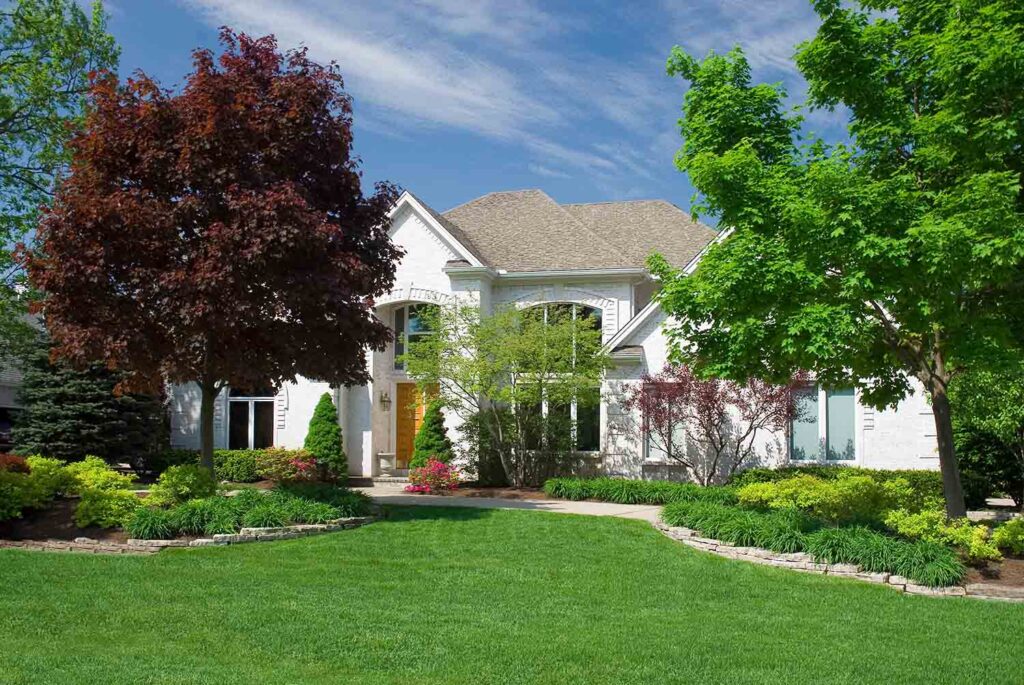
Planting a tree is one of the few landscape decisions that can shape a property for decades. The right tree can add shade, color, privacy, curb appeal, and long-term value. The wrong tree can create years of pruning headaches, crowded roots, weak branches, storm concerns, and expensive removal later.
For homeowners in Lancaster County, choosing the best trees to plant in PA should start with the property itself. Sun exposure, soil conditions, mature size, drainage, nearby structures, and long-term maintenance all play a role. A tree that looks perfect at the nursery may become a problem if it is planted too close to a home, driveway, septic area, sidewalk, or utility line.
If you are planning to add a tree to your landscape this fall, here are the biggest things to think through before you dig.
Start With the Space You Actually Have
Before choosing a species, look at the space where the tree will grow. Many tree problems begin because a young tree looked small and manageable when it was planted.
A tree needs enough room for both the canopy and the root system. That means thinking about more than the spot where the trunk will go.
Look Up, Down, and Around
Before planting, check for:
- Overhead utility lines
- Rooflines and gutters
- Driveways, sidewalks, and patios
- Fences and property lines
- Septic systems, drainage areas, and underground utilities
- Other nearby trees and landscape beds
A tree planted in a tight spot may need repeated pruning to keep it away from the house. A tree planted too close to pavement may eventually lift sidewalks or crowd the driveway. Those problems are easier to prevent than fix.
Think About Mature Size, Not Nursery Size
One of the most common mistakes in tree planting is choosing based on how the tree looks now. A young tree may be only six or eight feet tall when planted, but its mature size could be 40, 60, or even 80 feet tall depending on the species.
That doesn’t mean large trees are bad choices. Large shade trees can be excellent when they have room to grow. The key is matching the tree to the site.
Questions to Ask Before Planting
Before choosing a tree, ask:
- How tall will this tree get at maturity?
- How wide will the canopy spread?
- Will branches eventually reach the roof or driveway?
- Will roots have enough room?
- Will the tree create too much shade for other plants?
- Will fruit, nuts, flowers, or seed pods create cleanup concerns?
A tree that fits the space will usually be healthier, easier to maintain, and less likely to need heavy corrective pruning later.
Match the Tree to the Soil and Site Conditions
Lancaster County properties can vary a lot. One yard may have compacted clay soil, another may drain quickly, and another may stay wet after every storm. Some planting sites get full sun all day, while others sit in shade from buildings or mature trees.
A good tree choice should fit those conditions as closely as possible.
Penn State Extension notes that tree and shrub selection should account for site conditions and plant needs, including the type of tree stock and growing environment. Their resources are a helpful starting point for Pennsylvania homeowners comparing tree and shrub options.
Learn More From Penn State Extension.
Site Conditions to Consider
Pay attention to:
- Sun exposure
- Soil compaction
- Drainage
- Slope
- Wind exposure
- Salt exposure near roads or driveways
- Deer pressure
- Existing tree roots nearby
If a site is stressful, the tree choice becomes even more important. A species that prefers well-drained soil may struggle in a soggy low spot. A tree that needs full sun may decline in heavy shade. A tree that is prone to weak branching may become a long-term issue in an exposed, windy location.
Decide What You Want the Tree to Do
A tree should have a purpose in the landscape. That purpose may be practical, visual, or both.
Some homeowners want shade over a patio. Others want privacy from a neighboring property. Some want spring flowers, fall color, wildlife value, or a beautiful focal point near the front yard.
Common Landscape Goals
Your goals may include:
- Shade for the home, driveway, or outdoor seating area
- Privacy screening along a property line
- Seasonal color
- Pollinator and wildlife value
- Framing the house or improving curb appeal
- Replacing a removed tree
- Reducing lawn area
- Improving the long-term structure of the landscape
Once the goal is clear, it becomes easier to narrow down the right tree. A small ornamental tree may be perfect near a patio. A larger shade tree may be better in an open yard.
An evergreen may help with privacy, while a flowering tree may add seasonal interest near the front of the home.
Choose Trees With Long-Term Maintenance in Mind
Some trees need more attention than others. These aren’t necessarily bad choices, but it does mean homeowners should know what they are signing up for.
Fast-growing trees can be appealing because they provide shade quickly, but some also develop weaker branch structure or require more frequent pruning. Trees that produce fruit, nuts, or seed pods may create extra cleanup. Trees with dense canopies may need structural pruning as they mature.
Maintenance Questions Worth Asking
Before planting, consider:
- How often will this tree need pruning?
- Does it have a reputation for weak limbs?
- Will it drop fruit, nuts, or messy seeds?
- Is it vulnerable to common insect or disease issues?
- Will it need extra care during drought or heat?
- Can it be safely maintained as it grows larger?
A little planning now can prevent a future tree from becoming a constant maintenance project.
Planting Location Can Affect Future Storm Risk
A healthy tree can still become a problem if it is planted in the wrong place. This is especially important near homes, garages, driveways, and outdoor living spaces.
Lancaster County storms can bring wind, heavy rain, and saturated soil. Trees planted too close to structures may create risk as they mature, especially if branches overhang the roof or the tree develops weak unions.
Give the Tree Room to Grow Safely
When choosing a planting site, think about what the tree will look like in 10, 20, or 30 years. A better planting location can reduce the need for heavy pruning and help the tree develop a stronger, more natural shape.
That planning can also make future tree care safer and easier. A tree with adequate space is usually simpler to prune, inspect, and maintain.
Consider Native and Regionally Appropriate Trees
Native and regionally appropriate trees are often strong choices because they are better adapted to local conditions and can support birds, insects, and other wildlife. That said, “native” alone should not be the only deciding factor. Mature size, location, soil, drainage, and structure still need to fit the property.
A native tree planted in the wrong spot can still struggle. A beautiful tree planted too close to the house can still become a future removal. The best choice balances ecological value with practical placement.
Get Help Before Planting Near Structures or Existing Trees
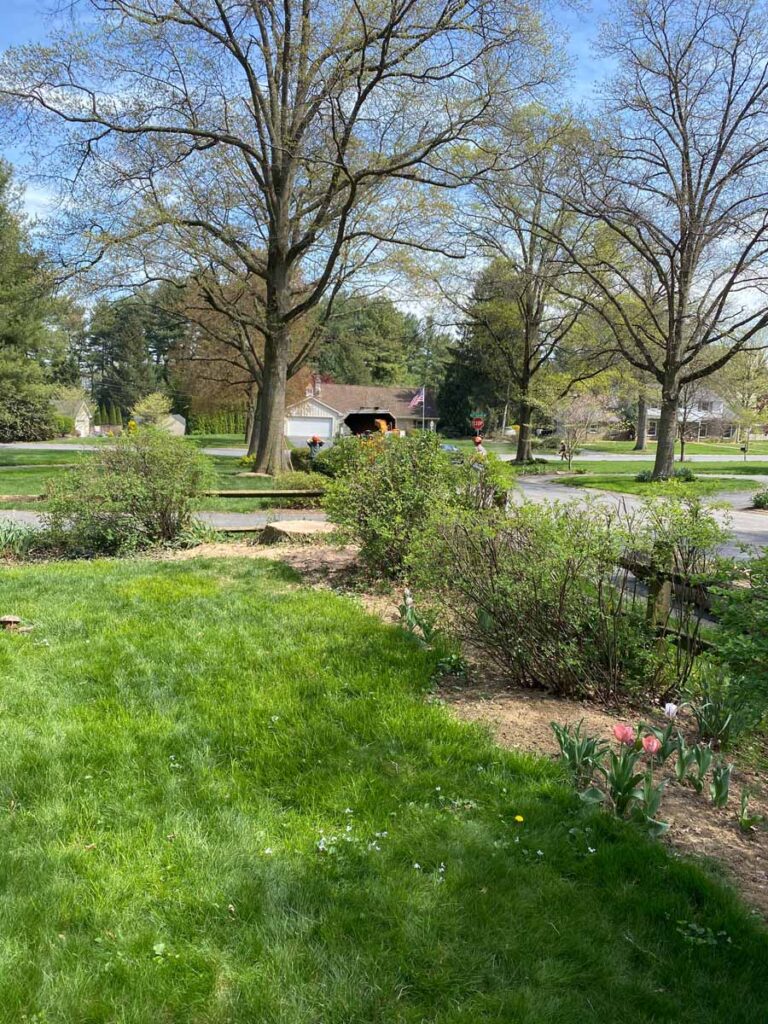
If you are replacing a tree that was recently removed, planting near mature trees, or adding a tree close to your home, it is worth getting professional input before planting. Existing roots, compacted soil, buried root flares, drainage problems, and old stump areas can all affect whether a new tree establishes well.
Reaching Higher can help evaluate your property, discuss tree placement, and identify concerns that may affect long-term tree health. If a nearby tree is already declining, leaning, or damaged, it may also be worth addressing that before adding new plantings around it.
Choose Carefully Now, Avoid Bigger Problems Later
The best time to think about future tree problems is before the tree goes in the ground. Good tree selection can reduce unnecessary pruning, prevent crowding, protect your home, and give the tree a better chance to thrive for years.
If you are choosing trees for your Lancaster, PA landscape, Reaching Higher can help you think through tree placement, existing tree concerns, pruning needs, and long-term care.
Planning a New Tree for Your Lancaster Landscape?
Before you plant, make sure the tree fits the space, soil, and long-term goals for your property. Reaching Higher can help assess your landscape and provide professional tree care guidance for homeowners in Lancaster County and surrounding areas.
Request a free quote or call 717-502-4707 to get started.