As the leaves fall and the temperature drops across Lancaster County, homeowners begin preparing their property for winter. Gutters get cleaned, outdoor equipment gets stored away, and landscaping projects inevitably wind down. But there’s one important item that deserves attention before winter weather actually arrives: dead or dying trees.
A dead tree near your home can become a serious safety concern when winter brings strong winds, freezing rain, snow, and especially ice. Branches that are already weak may break under added weight, while decay and structural damage can increase the risk of a tree falling entirely.
If you have a dead tree on your Lancaster County property, fall is an excellent time to have it assessed and, if needed, schedule dead tree removal. Addressing potential hazards before winter can help protect your home, vehicles, landscaping, and everyone who visits your property.
Why Dead Trees Are More Dangerous During Winter
Once a tree dies, its wood gradually deteriorates. Branches become brittle, decay progresses, and the tree’s structure weakens over time. Winter weather introduces additional stresses that may expose those weaknesses.
Snow and Ice Add Weight to Weak Branches
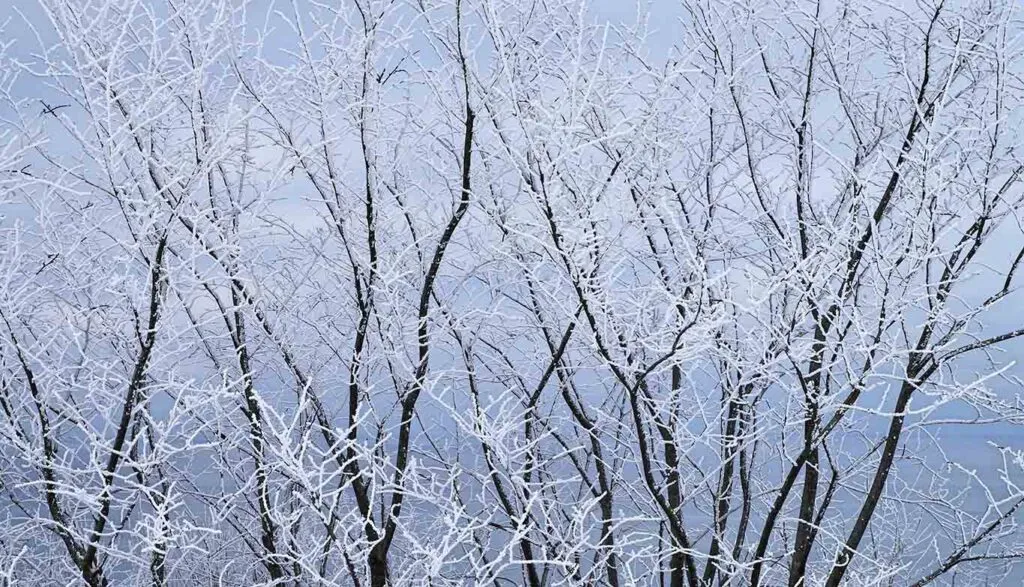
Snow and ice accumulation place considerable weight on a tree’s branches. Dead limbs that have already lost structural strength may break under the additional load.
Large falling branches can damage roofs, gutters, fences, vehicles, and anything else nearby. The risk becomes especially concerning when deadwood hangs over frequently used areas.
Winter Winds Expose Structural Problems
Strong winds put significant stress on dead trunks and weakened branches. Trees affected by internal decay, major cracks, or compromised roots may have difficulty withstanding those forces.
Penn State Extension explains that damaged and decayed tree parts are more susceptible to failure during severe weather. Their guidance encourages property owners to inspect trees, identify potential hazards, and take appropriate steps to reduce risk.
How to Tell if a Tree Is Dead or Dying
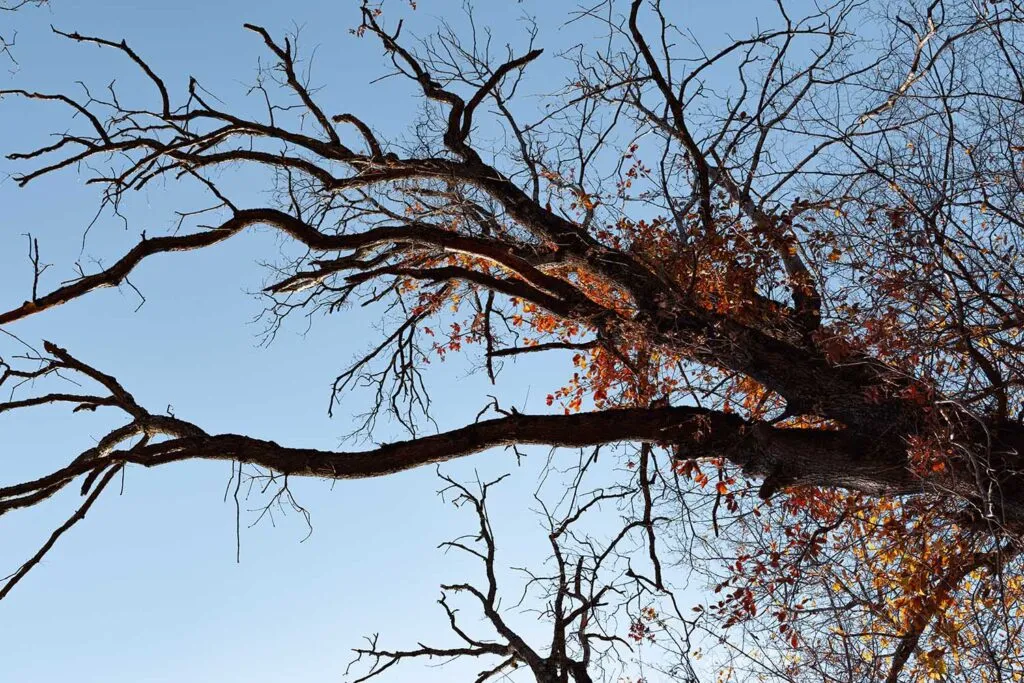
Some warning signs are easy to recognize, while others require closer inspection. Fall can make identifying a dead tree more challenging because healthy deciduous trees naturally lose their leaves as they enter dormancy.
Dead Trees vs. Dormant Trees
A leafless tree in November is perfectly normal in Pennsylvania. Oaks, maples, and many other deciduous species shed their leaves each fall and remain dormant throughout winter.
A truly dead tree will generally show additional signs of decline, such as:
- Large sections of dead or brittle branches
- Extensive bark loss or exposed, deteriorating wood
- Significant trunk decay or cavities
- Fungal growth associated with decaying wood
- A canopy that failed to develop normally during the previous growing season
- Major structural damage or root deterioration
These symptoms can have several causes, and some may occur while portions of the tree remain alive. Our guide on how to tell if a tree is dead covers these signs in more detail, but an on-site evaluation from Reaching Higher is the most reliable way to determine the tree’s condition and whether removal is necessary.
Should Every Dead Tree Be Removed?
The decision depends heavily on the tree’s location, condition, and what could be damaged if it falls.
Dead standing trees, sometimes called snags, can provide valuable habitat for birds and other wildlife in wooded areas. A dead tree standing far from buildings, roads, and frequently used spaces presents relatively little risk.
A dead tree near your home is a different story, and deserves a different level of attention.
When Dead Tree Removal Should Be a Priority
Consider scheduling a professional assessment when a dead tree is:
- Close enough to fall onto anything important
- Leaning toward something of value
- Dropping large branches
- Showing significant trunk decay or cracking
- Located near utility lines
- Exhibiting signs of root failure or sudden movement
The potential consequences of a tree failure help determine how urgently it should be addressed.
If a tree has developed a sudden lean, is actively splitting, or has large hanging branches, keep people away from the area and call for emergency tree service right away.
Why Fall Is a Good Time to Schedule Dead Tree Removal
Scheduling dead tree removal before winter offers several practical advantages for Lancaster County homeowners.
Reasons to consider fall tree removal include:
- Addressing hazards early: Removing a potentially dangerous tree can reduce the chance of storm damage during winter.
- Planning ahead: A scheduled removal allows time for an assessment, equipment planning, and discussing cleanup options.
- Improved visibility: Once surrounding deciduous trees lose their leaves, it may be easier to examine branches, nearby structures, and potential obstacles.
- Preparing the property: Removing a dead tree before winter can make it easier to plan landscaping or replacement planting for the following spring.
If a tree is already presenting an immediate danger, however, the season should not determine whether you seek professional help.
Can You Remove a Dead Tree During Winter?
Yes! Professional tree removal can be performed throughout winter, provided weather and site conditions allow crews to work safely.
Leafless canopies improve visibility, and winter conditions can actually make certain work areas easier to access. Frozen ground is particularly beneficial for tree work because it provides a firm surface for heavy equipment, significantly reducing rutting and potential lawn damage.
Winter can be an excellent time for tree removal, although heavy snow, ice storms, and severe weather can still complicate access and scheduling. That’s one more reason to plan ahead in the fall, whether you’re scheduling the work for immediate removal or later in the winter.
Does Dead Tree Removal Require Specialized Equipment?
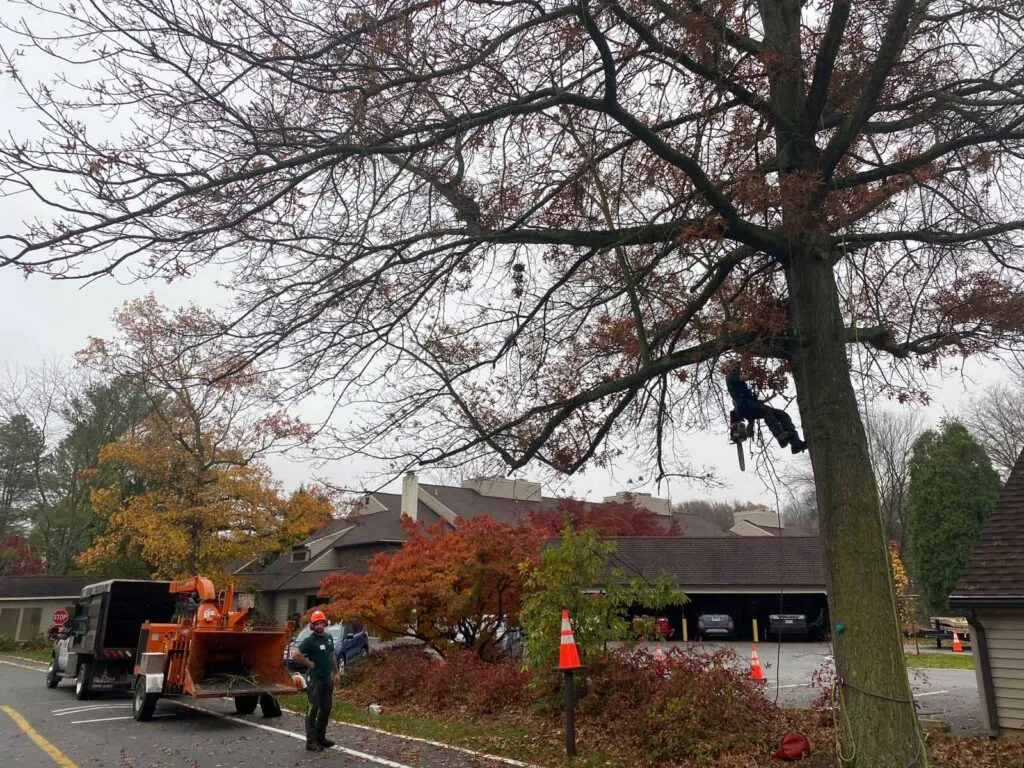
Often, yes. Dead trees can be particularly challenging to remove because their branches and trunks may have lost structural strength. Climbing or rigging techniques that work on a healthy tree may be unsuitable for a severely decayed one.
Reaching Higher specializes in large trees and difficult-access removals throughout Lancaster and Chester Counties. Depending on the tree and its surroundings, the crew may use specialized lifts, rigging equipment, or crane-assisted removal techniques.
The appropriate method depends on the condition of the tree, available access, and nearby structures.
What to Expect From Professional Dead Tree Removal
When you contact Reaching Higher, the tree removal process begins with an assessment of the tree and surrounding property. A tree care professional will examine its condition, consider access limitations, and discuss the safest approach.
Factors evaluated may include:
- Tree height, diameter, and structural condition
- Proximity to houses, fences, driveways, and utilities
- Space available for equipment and debris handling
- Whether specialized rigging or crane assistance is needed
- Your preferences for wood and debris removal
After reviewing the project, Reaching Higher provides recommendations and a quote so you understand the proposed work. For a general idea of pricing, see our guide to how much tree removal costs.
Learn More About Our Tree Removal Services
Stump grinding is also available as an additional service after tree removal. Cleanup of stump grindings and restoration with topsoil and seed or sod can be arranged as optional services.

Don’t Wait for Winter Storms to Reveal a Dangerous Tree
Dead trees can remain standing for years, but their condition can change as decay progresses and severe weather puts additional stress on weakened wood.
For Lancaster County homeowners, identifying potential hazards in fall provides an opportunity to address them before winter arrives.
Reaching Higher can evaluate the tree for visible signs of structural weakness, decay, and other safety concerns, then recommend whether pruning or removal is the appropriate course.
Have a Dead Tree on Your Lancaster County Property?
If you’ve noticed a dead or dying tree near your home, driveway, or outdoor living space, Reaching Higher can help you determine the next step.
Our team specializes in professional tree removal, including large trees, limited-access locations, and challenging projects that require careful planning and specialized equipment.
Get ahead of winter weather. Contact Reaching Higher today to request a free tree removal estimate.